


Preparing Your Pickleball Court for Winter (Even in Warm Climates)
If you live in Arizona, the word "winter" probably doesn't conjure images of frozen pipes and snow shovels. But even in Scottsdale and Phoenix, the shift from summer to winter brings real changes to your court, and the courts that hold up best over time are the ones whose owners pay attention to those changes, even when the weather stays relatively mild.
Here's what winter preparation actually looks like for outdoor pickleball courts in warm climates.
Why Winter Still Matters for Arizona Courts
Arizona winters are mild by most standards, but they're not without impact on an outdoor court surface.
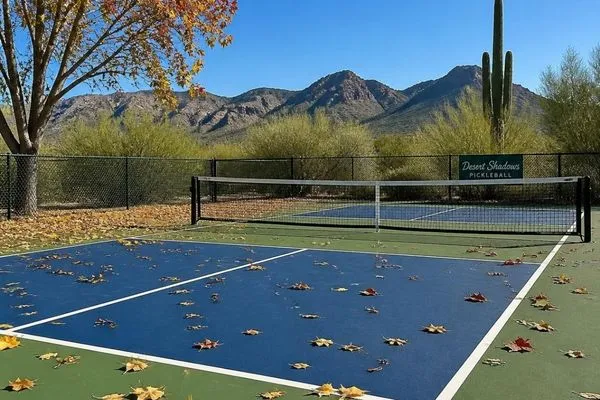
Temperature swings are real. Even in Phoenix, overnight temperatures in December and January can drop into the low 40s and occasionally the 30s before climbing back into the 60s or 70s by afternoon. That daily cycle of contraction and expansion puts stress on both the concrete slab and the acrylic coating, not dramatically, but consistently. Over time, consistent stress without attention turns small issues into bigger ones.
Monsoon season leaves a residue. If your court came through the summer without a professional deep clean, it's carrying the remnants of months of dust, organic debris, and moisture cycling. Winter is the ideal time to address that before it compounds.
Playing frequency changes. Ironically, Arizona court owners often play more in winter than in summer, which means more wear, more foot traffic, and more need for the surface to be in good condition. Prepping your court before peak playing season is simply good timing.
Step 1 — Start With a Thorough Clean
Winter prep begins with a clean surface. A professional scrub and rinse removes the buildup that accumulates through the summer and fall: dust, debris, organic material, and anything that monsoon season deposited and left behind.
For a deeper clean, a professional pressure wash at the right setting removes what a garden hose can't without damaging the acrylic coating. This is also the step that makes everything else you do more effective; inspecting, patching, and assessing a dirty surface is harder and less accurate than working with a clean one.
Step 2 — Inspect the Surface Carefully
Once the court is clean, walk the entire surface methodically and look for:
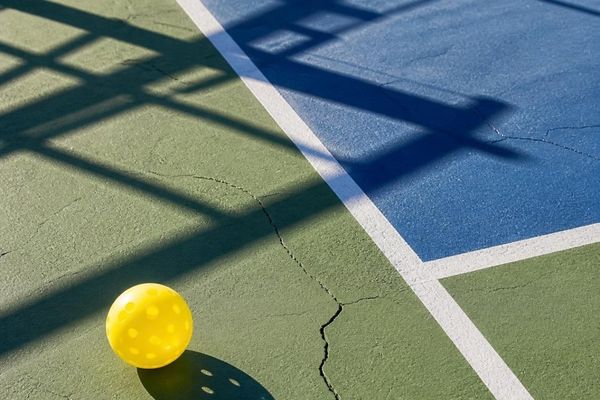
Hairline cracks. Small cracks that were invisible under a layer of dust become apparent on a clean surface. Address them now before winter's temperature cycling widens them. A hairline crack caught in October is a minor repair. The same crack left through a winter of daily expansion and contraction can become a more significant issue by spring.
Areas where the coating is lifting or bubbling. This indicates a bond failure between the acrylic and the concrete beneath it. Left unaddressed, water infiltrates the gap, and the problem accelerates, particularly through the freeze-thaw cycling that even Arizona experiences on cold nights.
Low spots or drainage issues. After a summer of monsoons, you may notice areas where water pools longer than it should. Winter rains, while less dramatic than monsoons, can expose drainage issues that the summer's heat masked by evaporating standing water quickly.
Line striping condition. If your lines have faded to the point where they're difficult to read during play, winter is a practical time to address restriping before your peak playing season.
Step 3 — Address Any Repairs Before Temperature Drops
The timing of repairs matters more than most court owners realize.
Acrylic coatings and crack fillers require adequate temperature and humidity conditions to cure properly. In Arizona, the window from October through November is ideal: temperatures are moderate, humidity is low, and the surface has enough warmth to allow proper curing without the extreme heat that can cause products to set too quickly.
Waiting until January to address repairs that should have been made in October means working in less ideal conditions and losing weeks of good playing weather while repairs cure.
If your inspection reveals anything beyond minor surface cleaning, get a professional assessment scheduled in early fall rather than mid-winter.
Step 4 — Check Your Net and Hardware
The net and its hardware take more of a beating than most players notice.
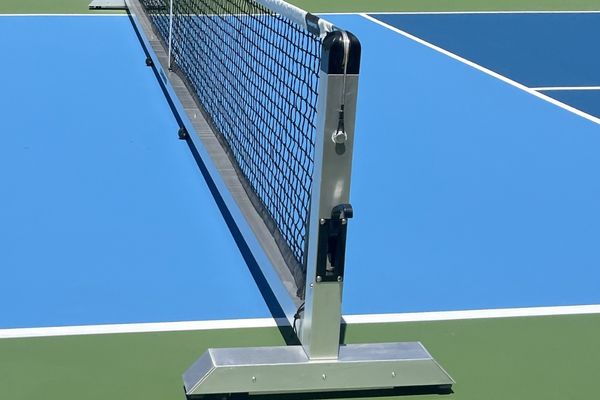
Net tension. Cold temperatures cause metal components to contract slightly, which can affect net height and tension. Check your net height at the center and side posts against regulation measurements: 34 inches at the center, 36 inches at the posts, and adjust accordingly.
Post hardware. Inspect the posts, anchoring hardware, and any adjustment mechanisms for rust, looseness, or wear. Tightening loose hardware before winter prevents the minor issue from becoming a structural one after months of temperature cycling.
Net fabric condition. If your net has developed fraying, tears, or significant discoloration, winter is a good time to replace it before the season gets serious. A worn net affects play and makes the court look neglected regardless of how good the surface looks.
Step 5 — Evaluate Your Lighting for Earlier Sunsets
This one is specific to winter and easy to overlook until it's already a problem.
Arizona's winter days are shorter. If you play evening sessions, the sun sets significantly earlier in December and January than it does in the summer months. Courts without adequate lighting lose usable playing time, sometimes hours per day, during the peak social playing season.
If your court has lighting, check that all fixtures are functioning correctly and that the system is delivering adequate foot-candles across the entire surface. Uneven lighting, dead spots in corners, and fixtures aimed incorrectly are more noticeable and more disruptive during lower-light conditions.
If your court doesn't have lighting and you've been thinking about adding it, fall is the right time to have that conversation with a court builder before the installation window closes for the season.
Step 6 — Schedule Your Annual Court Health Review
If your court hasn't had a professional inspection recently, winter prep is the natural trigger for scheduling one.
A professional court health review covers everything a self-inspection does, plus the technical assessment that requires trained eyes, coating integrity evaluation, drainage performance verification, slab condition assessment, and a documented summary of what your court needs now versus what it will need in the next one to three years.
For court owners on a maintenance plan, this visit is already scheduled. For those without one, scheduling a professional inspection before your peak playing season is one of the highest-value maintenance decisions you can make.
The Winter Prep Checklist
Deep clean the surface, scrub, and professionally rinse
Walk the court and document any cracks, lifting, or low spots
Address repairs while temperatures are still favorable for curing
Check net height, tension, and hardware condition
Inspect and replace net fabric if needed
Verify lighting is functioning correctly across the full surface
Schedule a professional court health review if you haven't had one recently
Winter court prep in Arizona isn't about battening down the hatches against freezing temperatures. It's about taking advantage of the best playing season of the year by making sure your court is ready for it.
The courts that look and play their best in January are almost always the ones whose owners spent an hour in October making sure everything was in order. It doesn't take much, but it makes a significant difference.
At Just Pickle Courts, our Court Care Program includes annual court health reviews timed specifically around Arizona's seasons, so your court is always ready when the playing is best. If your court is due for attention or you'd like to talk through what it needs heading into winter, schedule a consultation and let's take a look.
Contact a Court Planning Specialist to get a custom, no-obligation quote.
Interested in more pickleball content? Follow us on Instagram.