


Pickleball as Fitness: Why You Burn More Calories Than You Think
Most people show up to their first pickleball game expecting a light workout. They leave surprised. Pleasantly winded, legs tired, and already thinking about when they can play again. That's the thing about pickleball, it doesn't feel like exercise until it does, and by then you're hooked.
If you've been sleeping on pickleball as a legitimate fitness tool, here's what's actually happening to your body every time you step on the court.
The Numbers Are More Impressive Than You'd Expect
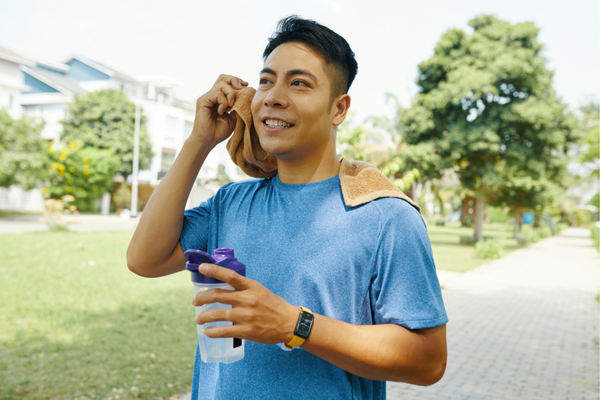
Calorie burn depends on body weight, intensity, and how competitive your game is, but the general range for recreational pickleball sits between 400 and 600 calories per hour. Competitive or singles play can push that closer to 700 to 900 calories per hour.
For context, that's comparable to cycling, swimming laps, or a moderate run, activities most people think of as serious workouts. Pickleball just doesn't feel that hard while you're doing it, which is exactly why people play longer and more often than they would with traditional exercise.
It's a Full-Body Workout in Disguise
Every game of pickleball works multiple muscle groups simultaneously, whether you're aware of it or not.
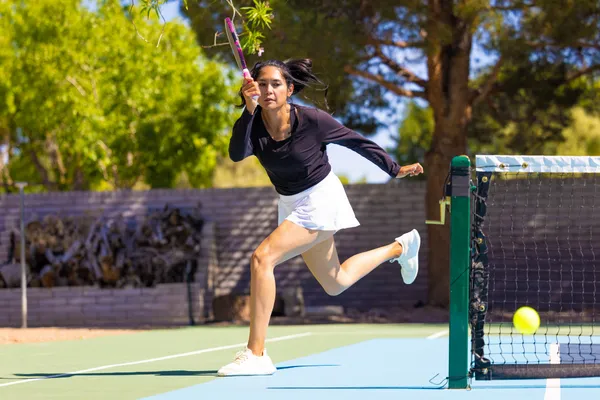
Legs and glutes take the most load. The constant lateral shuffling, quick direction changes, and split-step before every shot engage your quads, hamstrings, calves, and glutes continuously throughout a match. This isn't a slow, steady burn; it's repeated bursts of lower-body activation that add up quickly.
Core stability is working every time you reach for a wide shot, rotate through a drive, or hold your balance during a dink exchange. A strong core is the foundation of every good pickleball shot, and playing regularly builds it without a single crunch.
Arms and shoulders get consistent work through paddle swings, volleys, and serves. The motion is lower-impact than tennis but still enough to build endurance and tone through the upper body over time.
Cardiovascular output is where recreational players are often most surprised. A doubles match with four competitive players involves near-constant movement. Rallies, repositioning, moving to the net and back, the heart rate stays elevated in a way that mirrors interval training, with short bursts of high intensity followed by brief recovery between points.
The Interval Training Effect
One of the most effective forms of cardiovascular fitness is interval training, alternating between periods of high effort and recovery. Pickleball does this naturally.
A fast exchange at the kitchen line spikes your heart rate. The few seconds between points bring it back down. Then it goes back up. This pattern, repeated over an hour of play, produces cardiovascular benefits that steady-state exercise like walking or light cycling doesn't deliver as efficiently.
Research published in the Journal of Aging and Physical Activity found that recreational pickleball kept middle-aged and older players in their moderate-to-vigorous intensity zone for the majority of play time. That's the zone where real cardiovascular adaptation happens.
The Mental Fitness Component
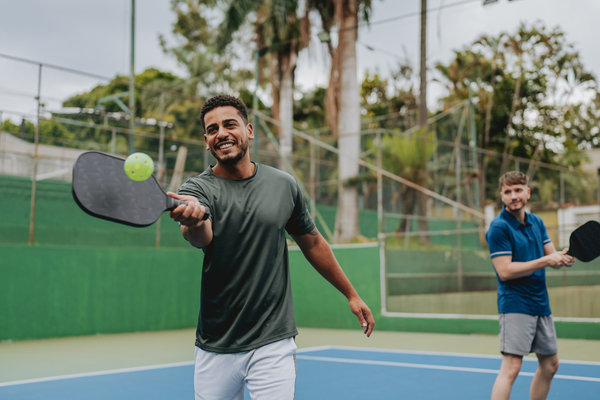
Physical calorie burn is only part of the picture. Pickleball demands focus, strategy, and split-second decision-making from start to finish. That cognitive load is its own form of workout.
Studies on racket sports consistently show benefits to reaction time, spatial awareness, and mental sharpness. The social element adds to this, playing with others, reading opponents, and communicating with a partner activate parts of the brain that solo exercise simply doesn't reach.
For older adults in particular, this combination of physical and mental engagement makes pickleball one of the most well-rounded fitness activities available.
Why People Stick With It Longer Than the Gym
The dropout rate for traditional gym memberships is well-documented. Most people stop going within three months. Pickleball has the opposite problem, players struggle to stop.
It's fun. And fun is the most underrated factor in long-term fitness. When exercise doesn't feel like a chore, people do it more often, stay longer, and come back the next day. Consistency is where real fitness results come from, and pickleball earns consistency in a way that treadmills and weight machines rarely do.
A player who hits the court four times a week for an hour each session is logging 1,600 to 2,400 calories of activity weekly without ever thinking of it as a workout. That adds up to meaningful health outcomes over months and years.
A Low-Impact Option That Doesn't Sacrifice Results
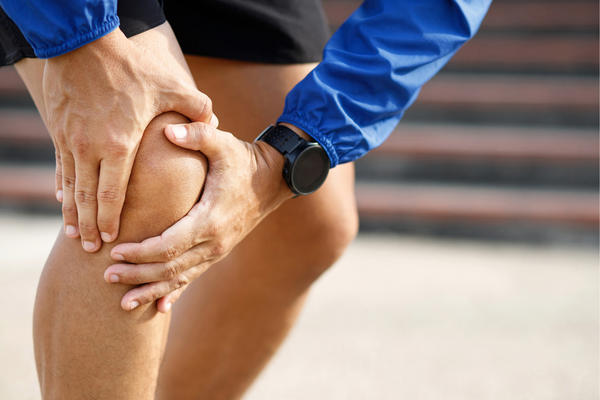
One of the biggest barriers to fitness for people over 40 is joint stress. Running, high-intensity interval classes, and certain strength training movements can aggravate knees, hips, and backs in ways that lead to skipping workouts or stopping altogether.
Pickleball is played on a smaller court than tennis, with a lighter paddle and a slower ball. The movements are explosive but not as punishing as higher-impact sports. Players with knee concerns, previous injuries, or general joint sensitivity regularly find that pickleball gives them a meaningful workout without the pain that's kept them off the court in other sports.
That said, proper footwear matters more than most new players realize. A court shoe with lateral support reduces the risk of ankle rolls and knee strain significantly, especially for players new to the sport's quick side-to-side movements.
How to Maximize Your Fitness on the Court
If you want to get more out of every session, a few intentional habits make a real difference.
Play singles when you can. Doubles is more social and strategic, but singles covers more court and keeps your heart rate higher for longer. Even one singles session per week among regular doubles play adds a meaningful fitness boost.
Stay active between points. It's easy to stand and chat between rallies. Players who stay light on their feet, keep moving, and recover actively between points maintain a higher average intensity throughout a session.
Warm up properly. Five minutes of dynamic movement before play, leg swings, lateral shuffles, and arm circles, prepares your body for the explosive movements pickleball demands and reduces injury risk.
Add drills to your practice. Open play is fun, but dedicated drill time builds fitness alongside skill. A 20-minute drill session before open play adds intensity and purpose to your court time.
Pickleball earns its reputation as the fastest-growing sport in America for a lot of reasons. The fitness benefits might be the most underappreciated ones. It burns real calories, builds real strength, delivers real cardiovascular conditioning, and does it in a format that people genuinely look forward to.
If you're looking for a way to get fit that doesn't feel like punishment, the court is waiting.
At Just Pickle Courts, we build professional-grade courts across Scottsdale and the greater Phoenix area so you never have to look far for a great game. Schedule your free on-site estimate and let's build something you'll actually use.
Contact us to schedule a complimentary, no-obligation consultation today.
Interested in more pickleball content? Follow us on Instagram.